Short answer: A restaurant smells good all day if it repeats the same routine every day: air the room and check drains and toilets before opening, keep extraction and bins under control during service, and close by cleaning filters, bins and floor drains. The diffuser, programmed by time slot, does the rest without anyone having to remember to switch it on.
How a restaurant's smell changes through the day
The challenge is not making the place smell good for a while. It is making it smell good at nine in the morning, at two with the dining room full and at eleven at night when the last customer leaves. And each time slot has its own problem.
| Time slot | What usually happens | What to watch |
|---|---|---|
| Before opening | Stale air, damp and leftovers from the night before | Ventilation, dry traps, toilets |
| Lunch service | Frying, griddle and lots of people | Extraction, kitchen door |
| Afternoon | Things calm down, but the bins are full | Bins, toilets |
| Dinner service | Smells from the whole day build up | Extraction, toilets, terrace |
| Closing | Grease on the hood and floors, bins | Deep cleaning |
An air freshener that comes on now and then cannot cope with this cycle. You need a simple human routine and a unit that works on its own.
Opening checklist
Between 30 and 60 minutes before opening:
- Air the dining room for a few minutes if you can open doors or windows.
- Switch on extraction before the burners, not after.
- Pour water into little used floor drains and plugholes. A dry trap lets sewer smells through. Why that smell is so persistent is explained in the smell of drains.
- Check the toilets: cistern, empty bin, floor drain and that the neutraliser diffuser is running.
- Check the dining room diffuser: that it started on time and has fragrance in it.
- Step outside and come back in. It is the only way to smell the restaurant the way a customer does.
Checklist during service
- Extraction at the right level and kitchen door closed whenever possible.
- Fryer: oil in good condition. Tired oil is one of the most common sources of smell in the dining room. Details in frying smells in a restaurant.
- Bins: bags tied, lids on and never bins in the corridor leading to the dining room.
- Toilets: a check every hour or two at peak times.
- Terrace: watch out for tobacco smoke coming in through the door.
- Do not turn up the diffuser because "you can't smell it any more". You no longer smell it because you have been inside for hours; the customer walking in does. More in how to choose intensity.
Closing checklist
- Hood and filters: degrease as often as your cleaning plan requires. Built up grease smells the next day.
- Bins out and bins washed.
- Kitchen floor drains and grilles clean, with no residue.
- Toilets mopped and bins emptied.
- Cloths and dirty linen out of the premises or in a closed bin.
- Dining room diffuser off by schedule. The toilet unit can stay on a gentle cycle with neutraliser if there is a drain smell.
How to programme the diffuser by the hour
Once it is set up, you do not need to touch it. An example schedule for a restaurant serving lunch and dinner:
| Time slot | Entrance and bar | Dining room | Toilets (neutraliser) |
|---|---|---|---|
| 30 minutes before opening | Medium | Medium | Medium |
| Lunch service | Medium low | Low | Medium |
| Afternoon | Low | Low or off | Low |
| 30 minutes before dinner | Medium | Medium low | Medium |
| Dinner service | Medium low | Low | Medium |
| Closing | Off | Off | Low if needed |
Notice that the dining room goes down just as the food comes out. That is deliberate: during service the kitchen leads and the scent only accompanies. Why this matters so much is explained in scenting without clashing with the food.
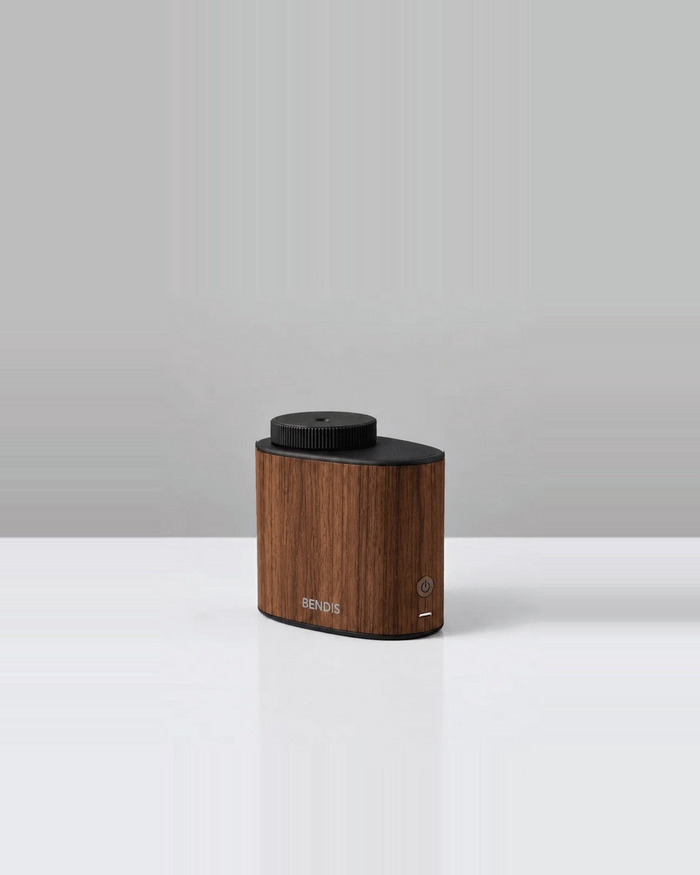
BENDIS professional diffusers can be programmed by time slot and intensity. The guide is in programmable diffusers and setup from your phone in how to programme from the app. If you are unsure where to put each unit, read where to place a diffuser in a restaurant.
Weekly and quarterly tasks
- Every week: check fragrance and neutraliser levels. As a guide, a 250 ml refill lasts around 1 month with the unit running 24 hours on high, and 3 to 4 months on a gentle setting a few hours a day. A restaurant with two services will fall between those extremes depending on size and intensity.
- Every 3 months: clean the nebuliser. The steps are in diffuser maintenance.
- Remember: fragrances are not diluted in water. They go straight into the unit.
With the monthly scenting fee (€29.90 to €94.90 + VAT per month depending on the unit) fragrance is included, so you do not have to order refills. No minimum term, with 30 days' notice.
If you are still deciding on the overall approach (zones, brand, budget), start with the scent marketing strategy for restaurants. And to pick the fragrance for your cuisine, see best scents by type of restaurant.
Frequently asked questions
How long before opening should the diffuser come on?
Half an hour is usually enough for the entrance and dining room to be scented when the first customer arrives. Programme it to start by itself so it does not depend on anyone.
Why does the restaurant smell bad in the morning if it was cleaned the night before?
The usual causes are dry traps letting drain smells up, grease in the hood or filters, and damp building up while the premises are closed. Check those three before thinking about adding more scent.
Can the diffuser be left on all night?
In the dining room there is no point: nobody is there and you waste fragrance. In toilets with a drain smell, a gentle cycle with neutraliser can make sense.
How often is the refill changed in a restaurant?
It depends on the unit, the hours and the intensity. As a reference, a 250 ml refill lasts around 1 month on high for 24 hours and considerably longer with a few hours of use a day. Check the level once a week.
What do I do if the dining room smells of frying in the middle of service?
Do not turn up the diffuser, you will only mix smells. Check the extraction, close the kitchen door and check the condition of the oil. In the medium term, work on neutralisation in the kitchen.