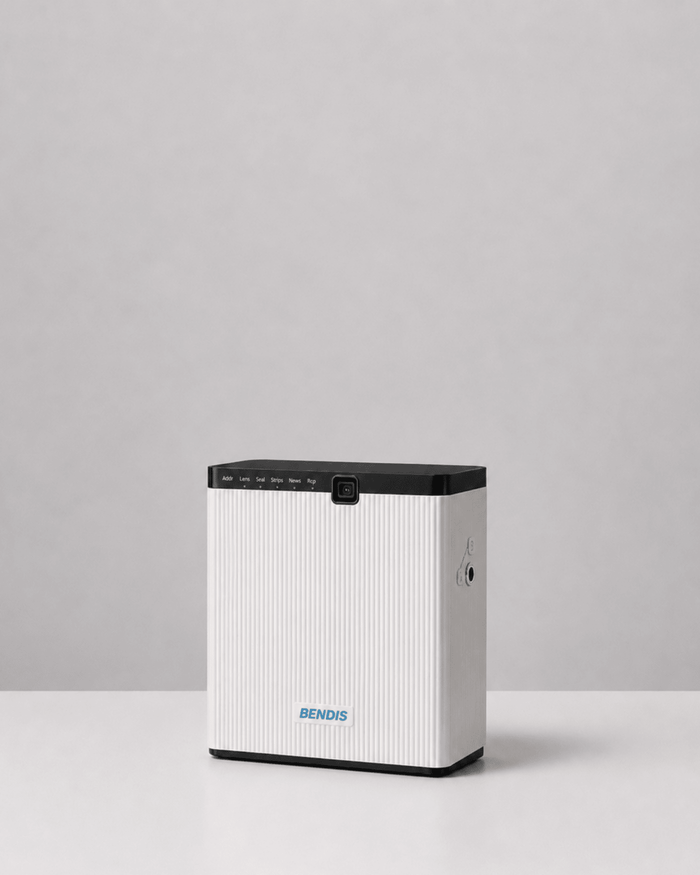
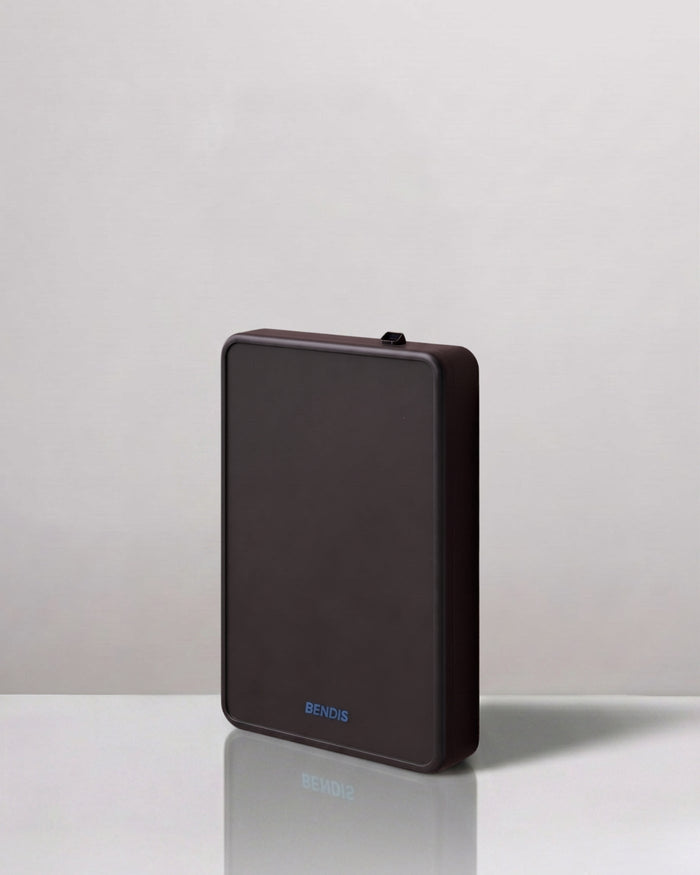
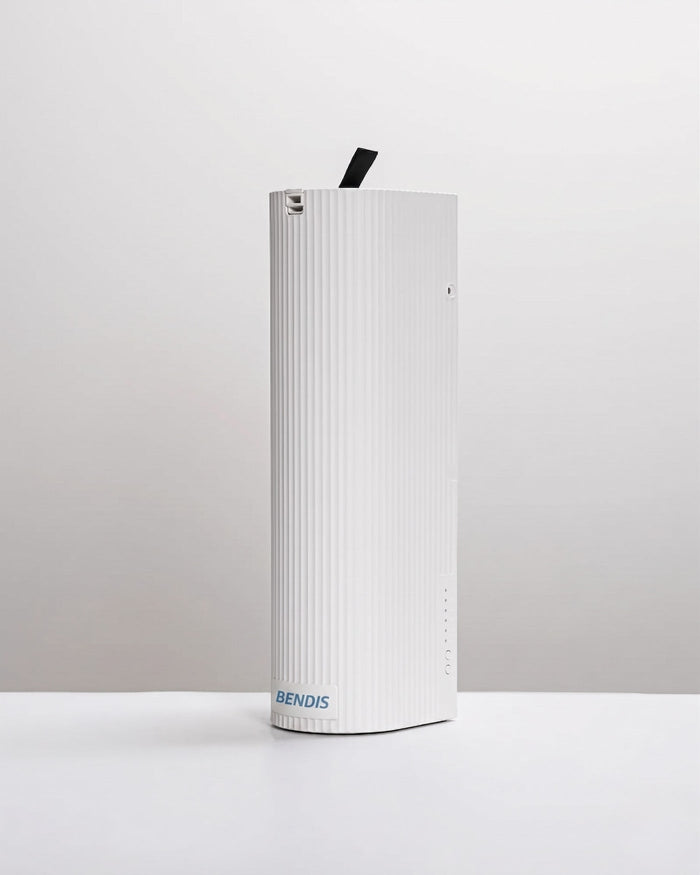
To scent a restaurant without interfering with the food, you scent the transit areas (entrance, reception, hallways, restrooms and waiting area) and leave the dining room with no added fragrance. Use citrus, woody or clean families, never sweet or gourmand ones, at low intensity and scheduled only during specific time slots.
The main rule: the room where people eat is not perfumed
The most common mistake in hospitality is installing a unit in the center of the dining room and loading it with a sweet or gourmand scent (vanilla, cinnamon, cappuccino, ripe fruit). The ambient fragrance and the plate then compete for the same olfactory space. The dining room already has its own aromatic profile, the one coming from the kitchen and the service, and adding another one on top of it reduces clarity.
The dining room is handled with ventilation and extraction, not with perfume. A persistent smell in the dining room is almost always a matter of extraction, dirty filters or air renewal, and that is where it gets solved.
Where a restaurant should be scented
Scenting makes sense where the customer is not eating:
- Entrance and reception: it sets the character of the venue before the table.
- Waiting area: idle time in which fragrance does add something.
- Hallways and stairs: transit areas, with no table service.
- Restrooms: a separate case, with their own criteria.
- Covered terrace: only if it is separated from the dining room and has its own airflow.
The operating rule is simple: if plates are served in that area, it is not scented.
Scent families that work in hospitality and the ones that clash
The families that work are the ones the nose does not associate with food:
- Citrus: lemon, orange, orange blossom. Light and quick to dissipate.
- Green and herbal: green tea, mint, lavender.
- Woody and perfumery: a more serious profile, suited to a white tablecloth restaurant.
- Clean, laundry type: associated with hygiene, useful in restrooms and hallways.
Avoid the gourmand notes: coconut, fig, cappuccino, cinnamon and orange, and any scent that could be mistaken for a dessert or a drink on the menu. They exist in the BENDIS natural range (lavender, green tea, lemon, mint, coconut, fig, orange blossom, cappuccino, cinnamon and orange, jasmine and mango) and they perform well in retail, but not in a restaurant. For hospitality, the sensible choices are lemon, orange, orange blossom, green tea, mint or lavender, or the numbered perfumery range.
Scenting and neutralizing are not the same thing
A scent adds a profile. A neutralizer acts on the molecules responsible for the bad odor in order to reduce how much of it is perceived. They are different products for different areas: restrooms, the trash area and some back of house rooms do not call for perfume, they call for a neutralizer. Putting an intense scent on top of a bad odor creates a third note that is worse than the first two.
BENDIS works with three neutralizers: Aloe Vera, Cotton Fresh and Jazmín Neutral. They load into the same unit, use the same refill format and are scheduled exactly like a fragrance.
Low intensity and scheduling by time slot
The correct intensity in hospitality is low: the goal is not for the customer to identify a fragrance, it is for the area not to smell of anything unpleasant. All BENDIS units run on cold nebulization, with no water and no heat, which allows very short cycles with long pauses in between.
A typical schedule: diffusion is concentrated in the 30 minutes before opening and then spread across spaced cycles during service, always at the entrance and never in the dining room. Restrooms can run throughout opening hours, because there the criterion is hygiene and not ambience.
Which unit and which scent family by area
| Area | Unit | Scent family | Criteria |
|---|---|---|---|
| Entrance and reception | SENSE (80 m²) or LUME (100 m²) | Citrus or woody | Low intensity, short and spaced cycles |
| Dining room | No unit | None | Handled with extraction and air renewal |
| Restrooms | PULSE (7 m²), one per restroom | Odor neutralizer | Aloe Vera, Cotton Fresh or Jazmín Neutral |
| Covered terrace | FLOW (120 m²) | Light citrus | Only if separated from the dining room |
| Back of house and trash area | PULSE (7 m²) | Odor neutralizer | Never perfume |
| Whole venue through ducts | ORBIT (600 m²), ATMOS (600 m²) or HALO (800 m²) | Citrus or clean | Only with central HVAC and the dining room vents isolated |
Restrooms need their own unit even when they are small
A restroom of 3 or 4 m² is not covered by the unit at the entrance, because its air should not circulate into the rest of the venue. That is why each restroom gets its own unit. The PULSE covers up to 7 m² and uses 50 ml per month. Two restrooms means two units.
How much it costs to scent a restaurant
BENDIS units, with coverage, monthly fee, purchase price and consumption:
- PULSE, 7 m²: €29.90 + VAT per month or €72.99 to buy (VAT included), 50 ml per month.
- SENSE, 80 m²: €34.90 + VAT per month or €89.99, 100 ml per month.
- LUME, 100 m²: €37.90 + VAT per month or €109.99, 150 ml per month.
- FLOW, 120 m²: €39.90 + VAT per month or €79.99, 250 ml per month.
- ORBIT, 600 m²: €54.90 + VAT per month or €149.99, 300 ml per month.
- ATMOS, 600 m² through ducts: €64.90 + VAT per month or €229.99.
- HALO, 800 m² through ducts: €69.90 + VAT per month or €194.99.
A real case: a 120 m² restaurant with one restroom is covered by FLOW plus PULSE. On the monthly plan that is €69.80 + VAT per month, unit and fragrance included. Buying the units it is €152.98 (VAT included) plus around €36 per month of fragrance.
Refills in the natural range cost €24.99 (150 ml) and €29.99 (250 ml); the numbered perfumery range, €29.99 and €34.99; the neutralizer, €24.99 and €29.99. The full breakdown is in the professional scenting price index.
The monthly plan includes unit and fragrance, has no lock-in period (30 days notice) and no installation cost. It is what the industry calls scent renting, although the BENDIS commercial name is cuota de aromatización, the scenting subscription. It is available in Spain and Portugal; sales of units and refills reach around 90 countries. For multi site projects, see the business page.
Frequently asked questions
Can the dining room of a restaurant be scented?
It can, but it is not advisable while table service is running, because the fragrance competes with the plate. If a note in the dining room is still wanted, use a very dry citrus or woody family, at minimum intensity and only outside service hours.
Which scent works best at a restaurant entrance?
A citrus (lemon, orange or orange blossom) or a woody scent from the numbered perfumery range. Neither of them is mistaken for food. Green tea also works in Asian or light Mediterranean kitchens.
How many units does a restaurant need?
Usually two: one for the entrance or waiting area and one for the restroom. With two restrooms, three units. If the scentable common area is over 120 m² or the venue has ducted HVAC, consider ORBIT, ATMOS or HALO.
How often does the unit need cleaning?
Every 3 months, and whenever the scent is changed. Since these are cold nebulization units, with no water and no heat, maintenance is limited to the circuit and the diffuser.
Does a neutralizer mask the bad odor or reduce it?
It acts on the molecules responsible for the bad odor to reduce how much of it is perceived, instead of adding a perfume on top. That is why restrooms and trash areas get a neutralizer. There are three references: Aloe Vera, Cotton Fresh and Jazmín Neutral.