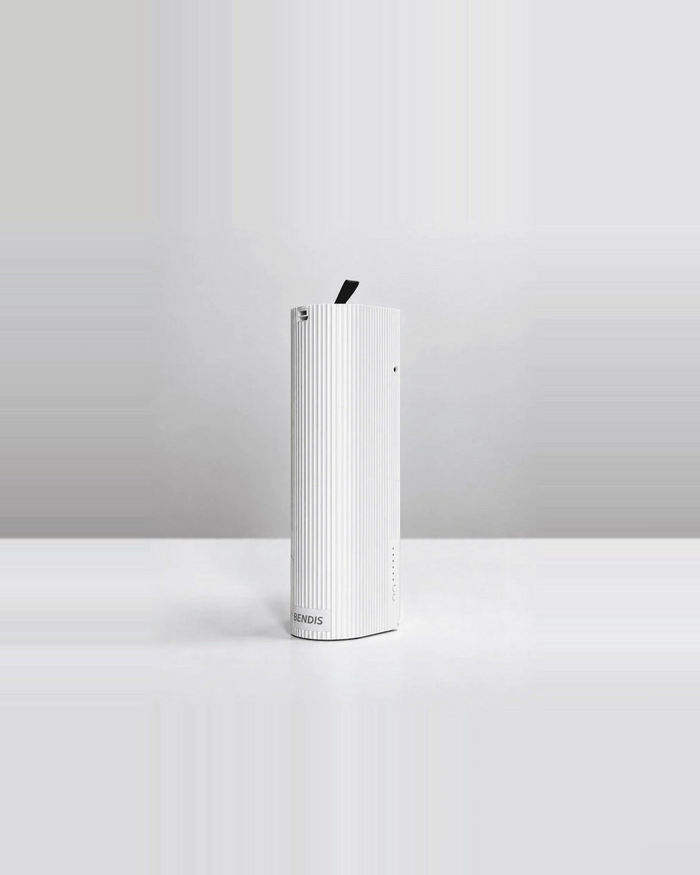
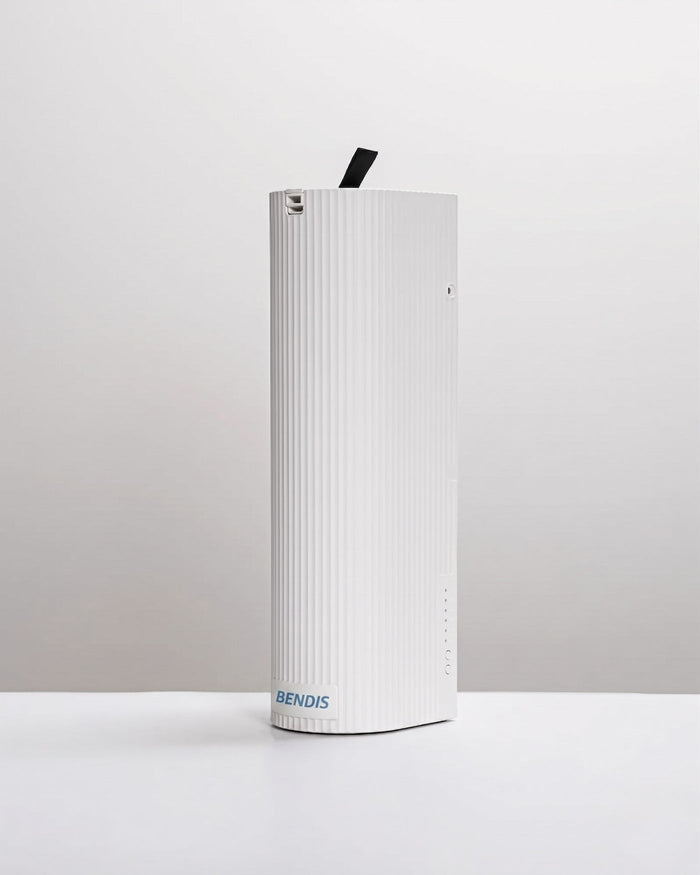
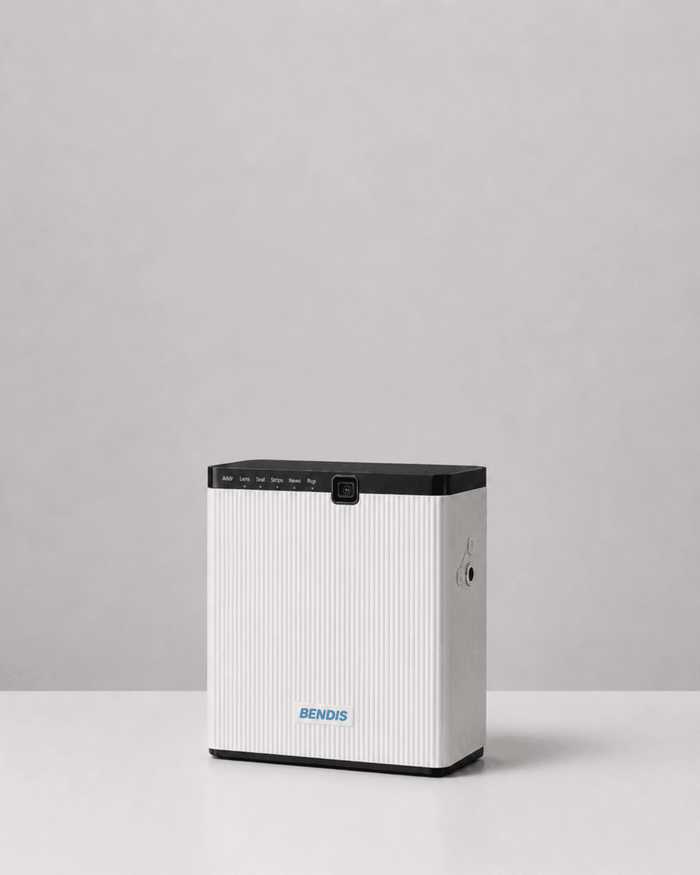
If there is a socket near the spot where you want the scent to be noticed, choose a plug-in diffuser: constant power and zero electrical maintenance. If there is not, or you want to move it around, choose one with batteries or a rechargeable battery. Models that work both ways are the most versatile.
The decision seems minor, but it determines where you can place the device, which is what most influences the result. Here is the comparison, no frills.
Cordless: rechargeable battery or batteries
Pros: you can place them wherever you want, with no visible cables and without depending on a socket near the door. Ideal for restrooms, shop windows, reception desks, rented premises where you cannot touch anything and spaces where aesthetics come first.
Cons: they need recharging or new batteries, and when the charge runs low the device may lose power before switching off. Also, because of their size, they tend to have smaller coverage.
Wall plug-in
Pros: zero electrical maintenance, constant power and the option of leaving it programmed without thinking about it. It is the logical choice for hotel corridors, restrooms with a socket, shops and offices.
Cons: you depend on where the sockets are, and they do not always match the best placement point.
Floor-standing or large format
For large areas the debate disappears: they are mains-powered because the pump needs constant power. What you decide here is whether the device works stand-alone or connected to the HVAC duct. In the BENDIS range, ATMOS and HALO are the ones that connect to the air conditioning. We explain it in how to connect a diffuser to the HVAC duct.
How each model is powered
| Model | Coverage | Power |
|---|---|---|
| ROAM | 4 m² | USB-C rechargeable battery, up to 50 hours. Designed for the car |
| PULSE | 7 m² | One D-type battery, with presence sensor |
| SENSE | 80 m² | USB-C |
| LUME | 100 m² | Plug-in or USB-C depending on version |
| FLOW | 120 m² | Batteries (up to 81 days) or USB-C |
| ORBIT, ATMOS, HALO, WAVE, NOVA | 600 to 1,600 m² | Mains-powered |
Battery life depends on the intensity and the programmed schedule. The more hours and power, the sooner you need to change them. That is why, on a battery-powered device, programming schedules properly not only saves fragrance: it also greatly extends the time between battery changes.
How to decide in one minute
- Mark on a floor plan where you want the scent to be noticed.
- Check whether there is a socket within two metres of that point, up high.
- If there is, go plug-in. If there is not and you do not want a cable hanging, go cordless.
- Check that the coverage of the chosen model matches the square metres of that area.
Typical cases
- Restroom in a bar or office: PULSE with a battery. It needs no socket and diffuses when someone comes in.
- Reception with no nearby socket: FLOW with batteries.
- Living room or office with a socket: LUME or SENSE.
- Car: ROAM on the air vent.
- Large premises or lobby: large-format mains-powered device, or connected to the HVAC system.
A middle ground
Some models work both ways: with batteries or connected via USB-C, like FLOW. They are the most versatile if you are not yet sure where the device will end up, or if you are going to move it between areas.
If you use batteries, always keep a spare at hand. The D-type batteries in a pack of 2 are in accessories, next to the power cables.
You can compare battery life, power type and coverage model by model in the diffuser catalogue, and download each manual on the manuals page.
Frequently asked questions
How long does an aroma diffuser battery last?
It depends on the model and the programming. FLOW lasts up to 81 days on batteries; with more hours of use or higher intensity, it lasts less.
Does a battery diffuser smell less than a plug-in one?
Not because it runs on batteries. The difference lies in the coverage of each model. What does happen is that, when the battery is low, some devices lose power.
Can I leave a diffuser plugged in all day?
Yes, but there is no point in it diffusing all day. Program it by schedule so it only works when there are people.