Almost every odour problem in a business can be tracked down with one methodical walk around the premises. The trick is to do it as if you were a customer coming in for the first time, and not as someone who has spent years working inside.
This is the checklist we use ourselves, zone by zone.
Before you start: step outside and come back in
Your sense of smell adapts within minutes, so anyone who is inside all day stops noticing the background odour of the place. Step out into the street for five or ten minutes and come back in, paying attention to nothing else. It is the cheapest diagnosis there is. Another option: ask someone you trust who does not come in regularly.
Entrance and reception
- What can you smell in the first three seconds? That is what shapes the customer's impression.
- Do kitchen, storeroom or toilet smells reach the door? If so, the problem is the airflow, not the entrance.
- Is there a constant draught from an open door? It determines where the unit should go.
Toilets
- Drains and traps: if there is a sewer smell, run water into the ones that are rarely used.
- Bins: lids and emptying at the real frequency of use, not the theoretical one.
- Ventilation: check that the extractor really pulls, with a sheet of paper held against the grille.
- Cleaning interval: if the smell always appears at the same time of day, the problem is frequency.
Kitchen and servery
- Extractor hood filters and extraction up to date.
- Greasy surfaces: walls, suspended ceilings and the hood hold on to frying odours even when they look clean.
- Bins: washed, not just re-bagged.
- Cold rooms and fridges: check for out-of-date stock and worn seals.
Storeroom, bin room and service areas
- Organic waste out every day, with no exceptions in summer.
- Damp: stains, condensation or wet cardboard are a warning sign.
- Ventilation: if it is an enclosed area, the smell will end up making its way into the main room.
Dining room, shop floor or office
- Textiles: carpets, curtains and upholstery hold on to food, smoke and damp odours. Note down when they were last cleaned.
- Air conditioning: dirty filters spread the smell right across the premises.
- Dead zones: corners with no circulation where the air sits still.
What to do with what you find
Sort it into two columns. In the first, everything that is solved by habit and maintenance: water in the traps, waste out daily, filters, textiles, damp. That has to be done no matter what, because no scenting system is a substitute for cleaning.
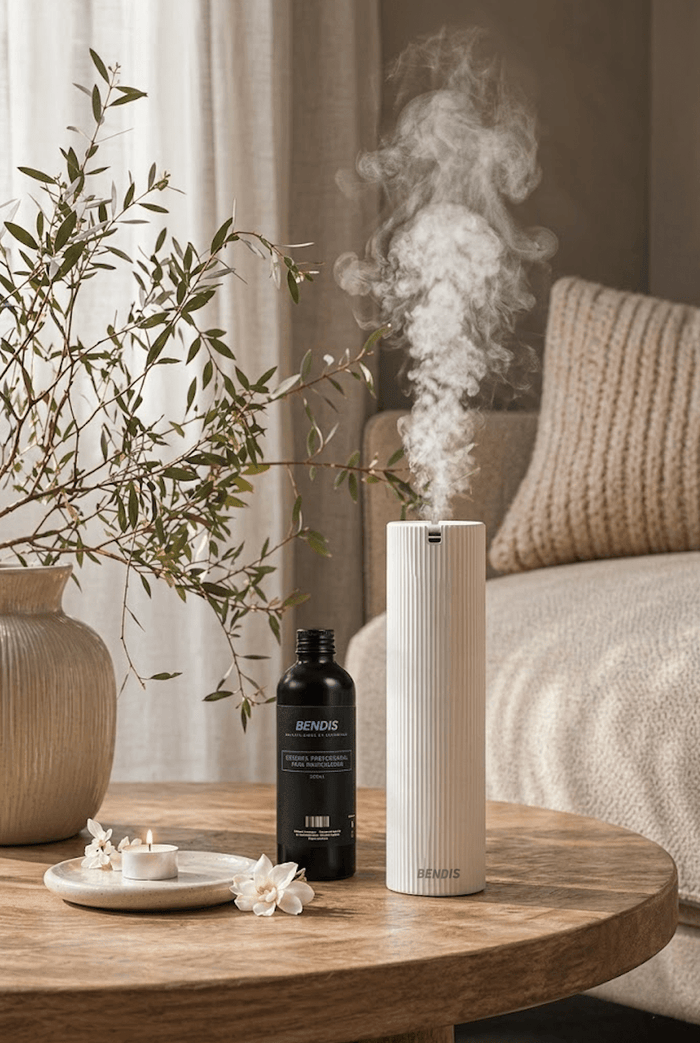
In the second, everything that will still be there even if you do it all right: the toilet between cleans, the bin room in use, the kitchen in full service. That is where a neutraliser working continuously comes in (Aloe Vera, Cotton Fresh or Jasmine Neutral) and, once the air is clean, fragrance in the customer areas.
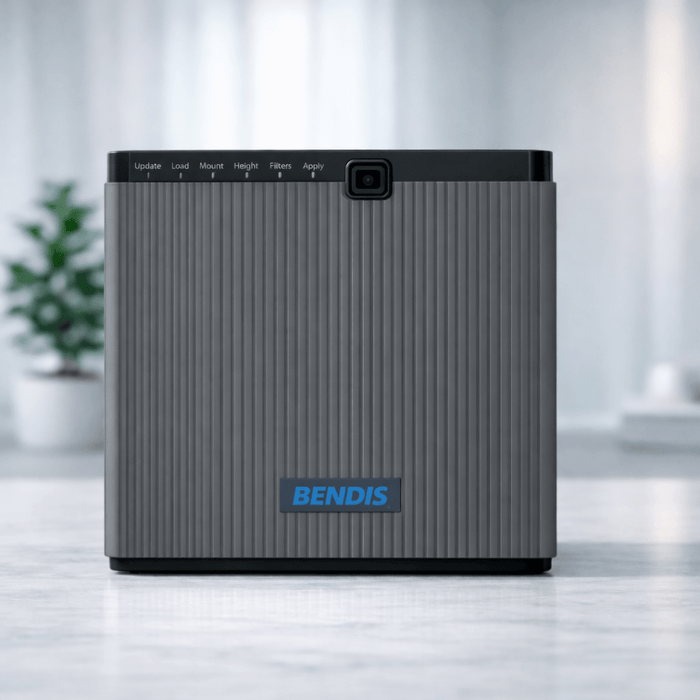
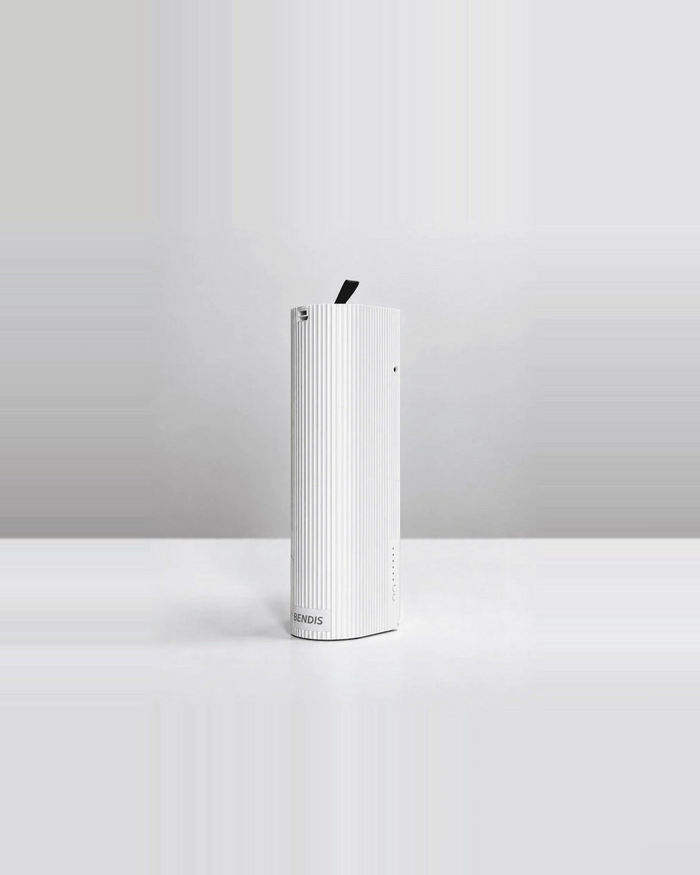
The unit is chosen by the square metres of each zone, programmed by time slot and, in businesses, usually taken on a monthly scenting plan: from €29.90/month + VAT per unit, refills included and no minimum term. No building work and no installation.
Two tips that cost nothing
- One scent per zone. Mixing two fragrances in adjoining spaces is the quickest way to make a place smell "a bit off".
- Less intensity than your instinct asks for. The aim is for the customer to notice it on the way in and forget it ten minutes later, not to carry it home on their clothes.
If you want the full context, it is in the guide to eliminating bad smells in a business. And if you would rather we looked at your case, write to us from contact.