Not all bad smells behave the same way. Some disappear after ten minutes of ventilation and others come back every day at the same time. Knowing which one you are dealing with saves time and money, because each one is tackled differently.
Here is a run-through of the smells we come across most often in businesses, with the real cause and what works in each case.
Why some smells bother us so much
The olfactory pathway is wired to the areas of the brain that handle emotion and memory, which explains why a smell can provoke a reaction before you have even worked out what it is. On top of that there is a practical factor: anyone working in the premises every day gets used to it and stops noticing. The customer walking in fresh does not.
1. Waste pipes and drains
Why it smells: sulphur compounds (mercaptans and sulphides) are detectable at minute concentrations, so the smallest leak is enough. The usual cause is not a breakdown, but a trap that has run dry through lack of use.
What to do: run water into the rarely used drains from time to time. If the smell persists, it is a plumbing problem and has to be solved there. A neutraliser helps with the residual smell, but it will not repair a broken seal.
2. Damp and mould
Why it smells: volatile compounds produced by fungi on damp surfaces. It gives a sense of neglect even in spotless premises.
What to do: find the leak and dry it out. Without that, any other measure is temporary. Then constant ventilation and humidity control; the neutraliser comes at the end, not at the beginning.
3. Rubbish and organic waste
Why it smells: decomposition. It grows with the temperature and with the hours.
What to do: take the organic waste out daily, use lidded bins and wash the bin itself, not just change the bag. The bin room is the classic zone where a neutraliser working continuously really does make a difference.
4. Frying and kitchen smells
Why it smells: airborne grease settles on textiles, suspended ceilings and walls. That is why the smell is still there hours after the kitchen has closed.
What to do: correctly sized extraction and filters kept up to date, plus cleaning of greasy surfaces and textiles. In the dining room, neutralise first and scent afterwards; never scent over a frying smell.
5. Tobacco
Why it smells: smoke leaves thousands of compounds that fix themselves into paint, wood, curtains and upholstery and are released slowly over months or years.
What to do: this is the case where the preparatory work is most underestimated. Textiles cleaned or replaced, porous surfaces treated and, in severe cases, repainting. Then continuous neutralisation.
6. High-turnover toilets
Why it smells: it is not usually a lack of cleaning, but the interval between cleans.
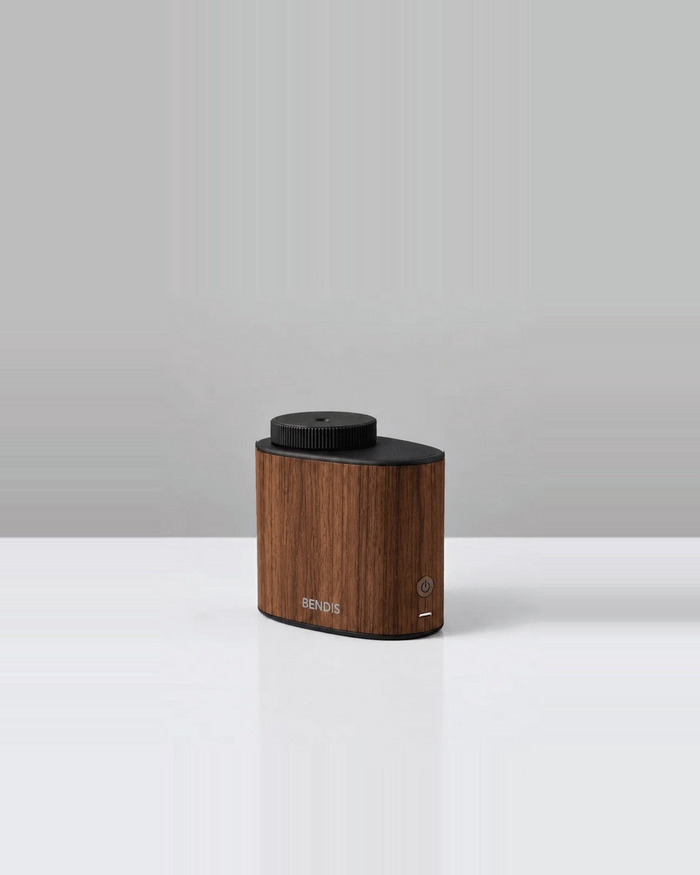
What to do: this is the scenario a small unit running on a programmed schedule solves best. Our PULSE covers 7 m², the typical size of a toilet.
7. Animals
Why it smells: fatty acids and nitrogen compounds present in skin, saliva and urine. It is a constant smell, not an occasional one.
What to do: hygiene of surfaces and textiles, ventilation and continuous neutralisation in the areas where the animals are.
What does not work
Covering it up. A strong air freshener over a bad smell gives you a mixture that is worse than the original. The order is always: source, ventilation, neutraliser and, last of all, fragrance.
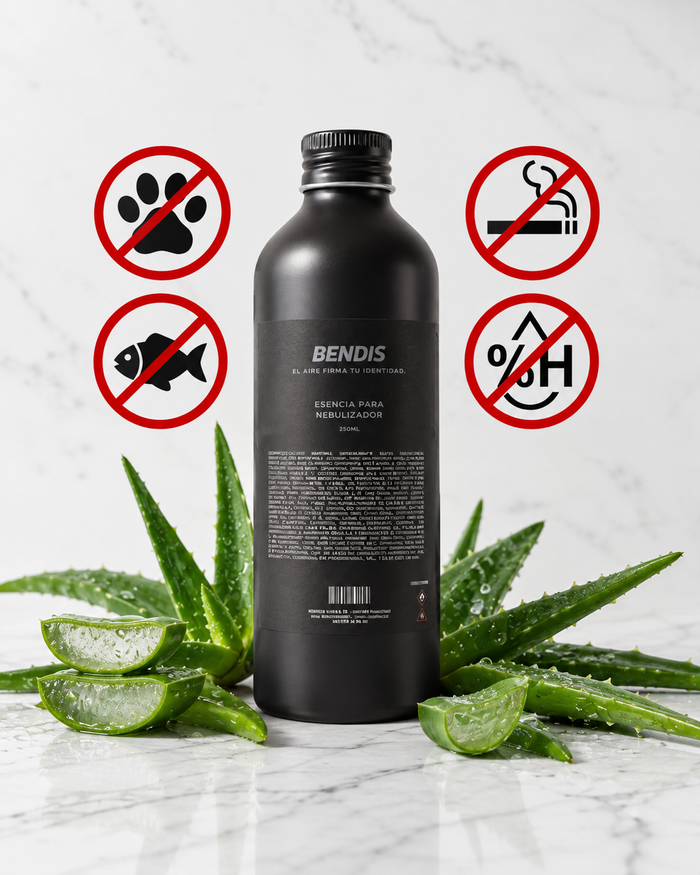
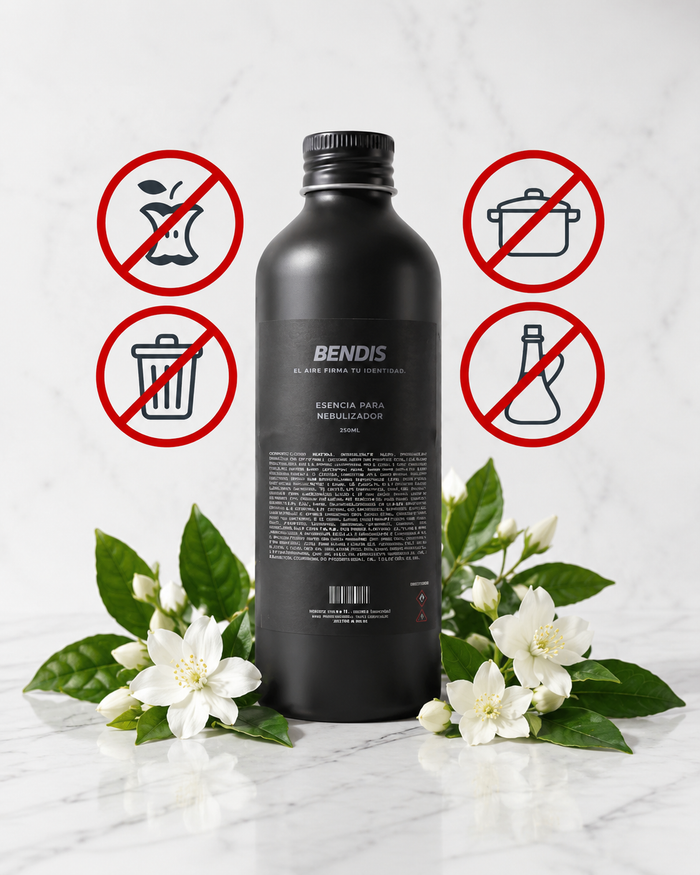
For that first layer we work with three neutralisers (Aloe Vera, Cotton Fresh and Jasmine Neutral), designed for toilets, kitchens, bin rooms and damp areas. Once the air is clean, fragrance works for the brand instead of against the smell.
The unit is chosen by square metres, programmed by schedule and can be taken on a monthly scenting plan from €29.90/month + VAT per unit, refills included and no minimum term.
If you want the full method, it is in the guide to eliminating bad smells in a business. And if you would rather we looked at your own case, write to us from contact.