A hotel is not one space, it is eight or ten different spaces with opposing needs. The same scent that works in the lobby feels invasive in a guest room, and what suits the spa has no business in the breakfast room.
That is what this article is about: how scenting is shared out zone by zone in a hotel or in any large business, and what equipment each area calls for.
Lobby and reception
This is the hardest-working zone. Guests arrive tired, suitcase in hand, and this is where the impression they will remember takes shape. It is also where the scent has to be most recognisable, because this is the one associated with the brand.
Registers that work: woody and oriental notes to convey calm and solidity (Nº4, Nº12, Nº23), or citrus and aquatic ones for a brighter, more contemporary tone (Lemon, Nº3).
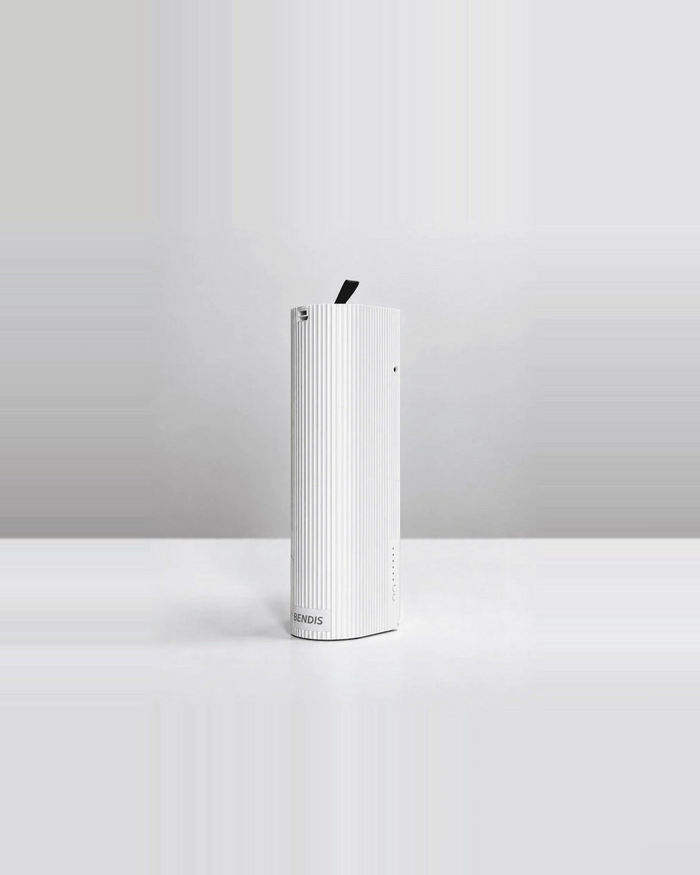
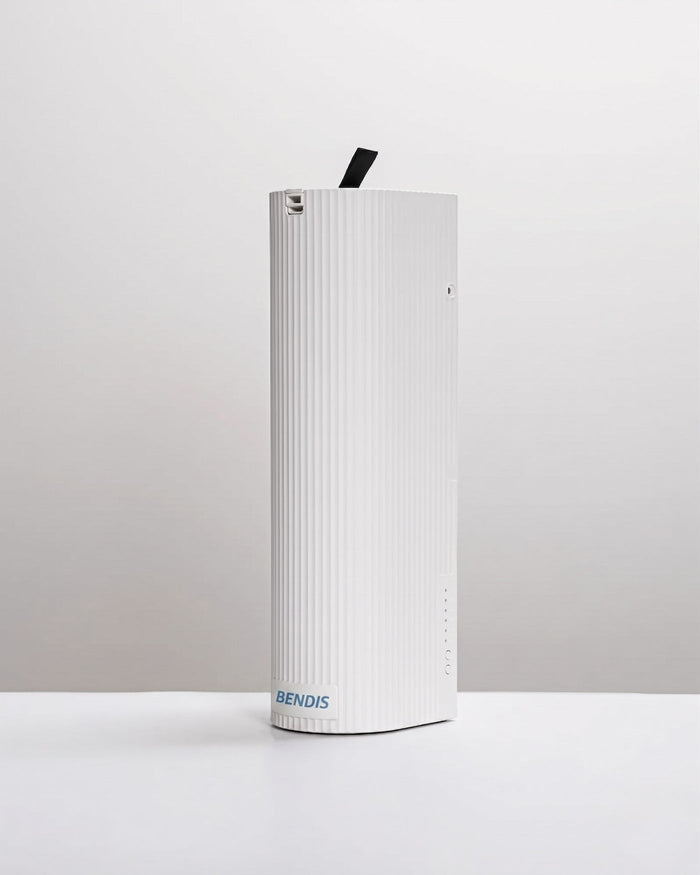
Equipment: high ceilings and doors opening constantly, so this zone demands power. HALO covers 800 m², WAVE 875 m² and NOVA up to 1,600 m².
Corridors and circulation areas
The forgotten zone, and the one that usually gives a hotel away: carpet, poor ventilation and accumulated odour. Identity is not what is needed here; what is needed is that it does not smell stale.
What works is a neutral, discreet register, or simply a neutraliser if the background odour is the real problem.
Guest rooms
Careful here. This is the guest's private space and the margin of tolerance is far narrower: what feels welcoming in the lobby can become oppressive in a closed room over eight hours.
The rule is low intensity, soft registers (Green Tea, Lavender, Orange Blossom) and small units. Plenty of hotels choose not to scent the rooms at all and concentrate the effort on the shared areas; that is a perfectly reasonable decision.
Bathrooms and public toilets
Here the first job is not to scent, it is to neutralise. The problem is rarely the cleaning, it is the interval between cleans. The three neutralisers in the catalogue (Aloe Vera, Cotton Fresh and Jasmine Neutral) are designed for exactly this, and a PULSE (7 m²) covers a standard toilet running on a schedule all day long.
Restaurant and breakfast service
The rule is simple: in the dining area, the food comes first. A powerful ambient scent competes with the dish and always loses.
What does work is treating the entrance to the restaurant and neutralising the kitchen odour that escapes into the dining room. The detail is in the bad odour guide.
Spa, gym and wet areas
Two needs at once: freshness and odour control. Mint and Green Tea work well in the treatment rooms; in changing rooms, once again neutraliser before fragrance. We go into it in how a gym smells.
Meeting rooms
Enclosed spaces with a lot of people for hours on end. Light citrus registers, low intensity and scheduling only during use: an empty room being scented for eight hours is fragrance thrown away.
Three decisions to take before you start
- Which zones carry the identity and which only need odour control. They do not all need the same thing, and mixing the two objectives in the same zone turns out badly.
- How many different scents. The more there are, the greater the risk of them crossing over in adjoining zones. Two or three well distributed usually beats six.
- What intensity for each time slot. Guest arrivals, check-in, breakfast and night-time do not ask for the same thing.
How to sign up
On a monthly scenting plan, from €29.90/month + VAT per unit with the refills included and no lock-in. Because you pay per unit, the cost depends on how many zones you want to cover. No building work and no installation: the units arrive ready to plug in, and can run independently or connected to the air-conditioning ducts.
If you are after the brand approach rather than the zone approach, it is in scent marketing for hotels.
Tell us the zones and the square metres of each one via contact and we will put a proposal together for you. We cover the whole of Spain, Monday to Saturday from 10:00 to 20:00.