Stress does not only get in through your head: it also settles into your surroundings. A poorly ventilated space, with background noise, cold light and no pleasant stimulus, keeps people in a state of alert that is tiring. The good news is that the environment can also work in your favour.
What can be said and what cannot
Let us start by setting limits, because a great deal of exaggeration is written on this subject. Smell connects directly with the brain structures that manage emotion and memory, without passing through the rational filter. There is research suggesting that certain scents are associated with lower perceived tension and a more positive view of the surroundings.
What we are not going to tell you is that a diffuser lowers anyone's cortisol or that it replaces anything. A scent does not treat stress: it improves how you feel in a space. Which is no small thing, and for a business it is exactly what matters.
The registers most associated with calm
Lavender. The most studied and the most recognisable as a signal of calm. Ideal for spas, clinics and any space where the client arrives tense.
Bergamot and soft citrus. They combine calm with positive energy, without any feeling of drowsiness. Good for consulting rooms and waiting areas.
Woods (sandalwood, cedar). They convey solidity and grounding. They work very well in meeting rooms and offices.
Chamomile and soft florals. A gentle register, useful in emotionally charged settings.
By type of business
Clinics and health centres. The smell of disinfectant creates tension in many patients before they even reach the consulting room. Softening it with a clean, warm register changes how the wait is perceived. Always low intensity, and allowing for the fact that there may be people with respiratory sensitivity. More on clinics.
Beauty and wellbeing. Here sensory coherence is everything: if the client comes to relax, the scent has to say so before the brochure does.
Hotels. Check-in is the traveller's most stressful moment: tiredness, uncertainty, expectations. A well-resolved lobby turns that moment into the first real welcome. More on hotels.
Offices. Work areas, meeting rooms and the coffee area. Especially low intensity: people spend eight hours at a stretch here, and what is pleasant in a shop for five minutes becomes oppressive here. More on offices.
The step that comes first
None of this works if the space has a source of bad odour. Adding fragrance on top of it does not cover it: they mix and the result is perceived as worse than the original problem, and that really does create tension. First you neutralise (toilets, kitchen, waste area) and then you scent. How neutralisation works.
The rule that is broken most often
The calming effect depends on consistency, not on intensity. A strong scent produces the opposite effect: saturation and rejection. The right approach is a low, even presence throughout opening hours.
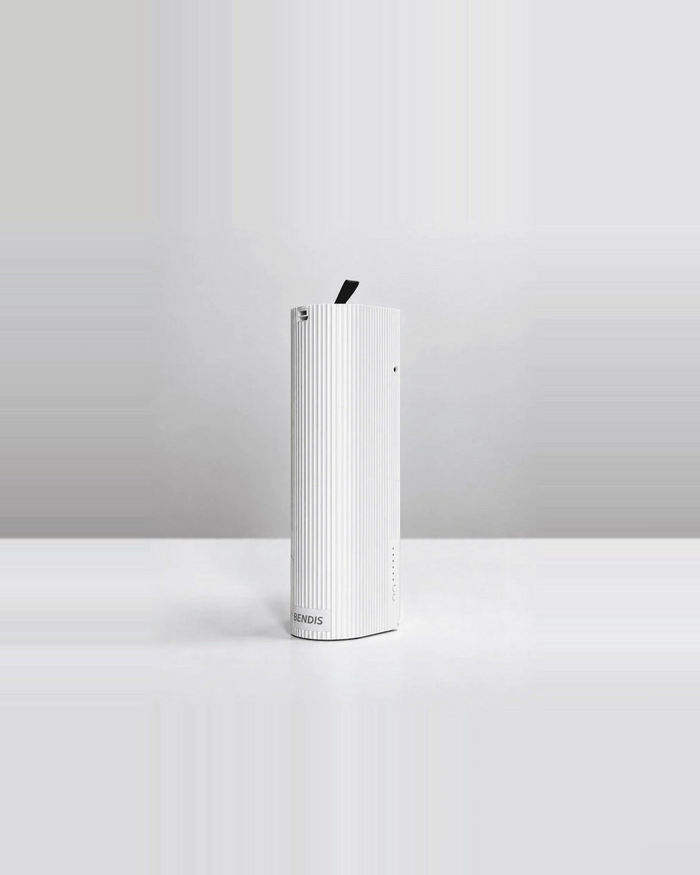
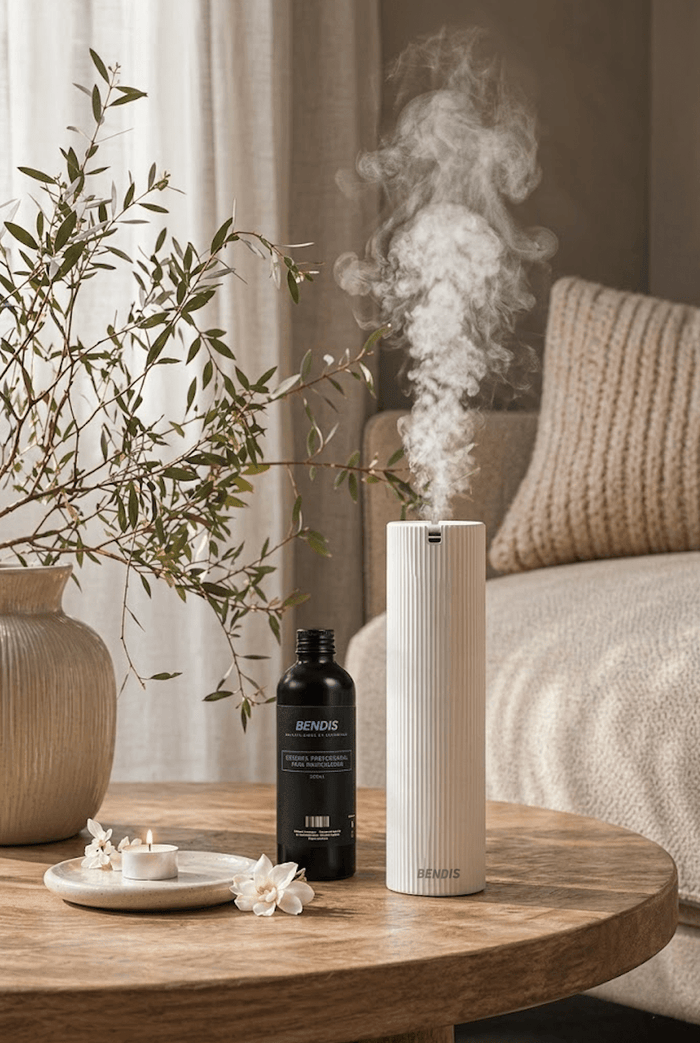
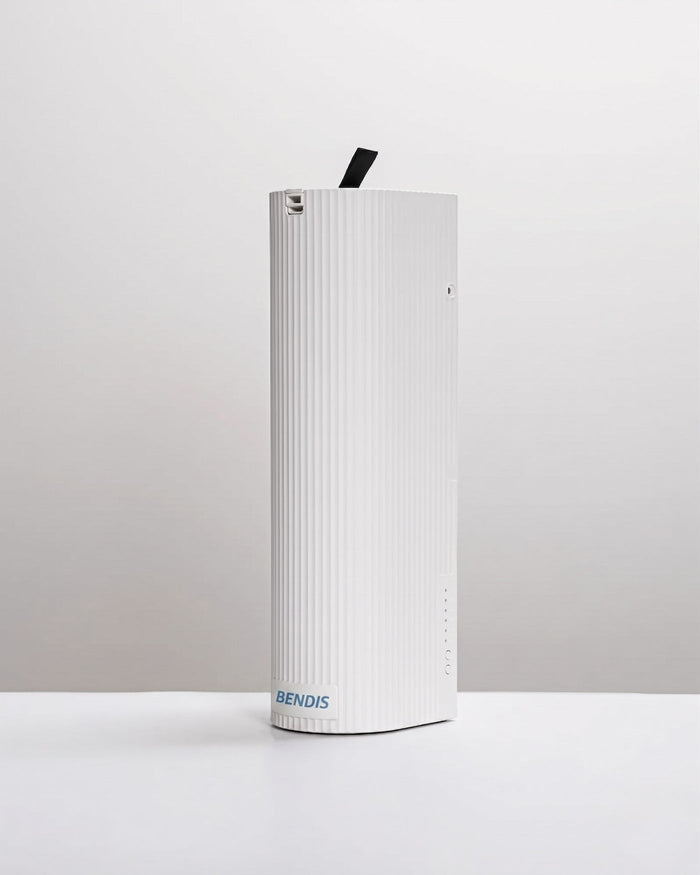
Nebulisers let you programme intensity and schedules: presence when the space is in use, off when it is not. Without anyone having to remember.
On a monthly scenting plan, from €29.90/month + VAT per unit, with fragrance included and monthly replacement. No minimum term and no upfront investment. The unit is put in place in five minutes: no building work, no installation and no technical visit.