Here is something uncomfortable that nobody tells you: if you have been living in your home for a while, you can no longer smell how it smells. Your brain has learned to ignore the constant smells of your surroundings. It is called olfactory adaptation. And it is the reason your home can smell odd without you knowing it.
What olfactory adaptation is and why it affects you
Olfactory adaptation is a neurological mechanism that makes the brain stop processing constant olfactory stimuli. It is an evolutionary function: if it actively processed every smell around it all day long, it would be overloaded. So it learns to ignore the ones it reads as constant and non-threatening.
The practical result: the dog has been on the sofa for six months and you no longer smell dog. You have been cooking for two years without a powerful extractor and you no longer smell the built-up frying. Someone comes into your home after a while and says "it smells odd in here". You have no idea what they are talking about.
The smells you do not notice in your own home
Pets. The hardest one for the owner to notice. The fatty acids and amines that dogs and cats produce settle into fabrics, rugs, sofas and walls. They build up over time and the owner's brain ignores them completely.
Damp and mould. Especially treacherous because it sets in gradually. A small patch of damp on the wall, a bathroom with poor ventilation or a washing machine that never airs out are constant sources the resident stops noticing.
Built-up cooking smells. Even with an extractor, cooking smells settle into curtains, upholstery and wood. The smell of frying, garlic or spices can be permanently present in your living room without you noticing it.
Body and laundry smells. Bedrooms and wardrobes build up smells the resident does not notice. They are among the first things visitors detect on walking into a flat.
How to tell whether your home smells odd
The most reliable test is to ask someone who does not live there to come in and tell you honestly what they notice. If you would rather avoid that ordeal, there is another option: leave the house for at least two hours and then walk back in. For the first few seconds, before your brain reactivates the adaptation, you smell what your home really smells like.
The solution: neutralise, then scent
The problem has two parts and needs two solutions, in this order. First neutralise the existing smells: eliminate the molecules that cause them, do not cover them up. Adding fragrance on top of a bad smell does not mask it, it mixes with it and the result is perceived as worse than the original.
Then, and only then, add a pleasant, constant scent that keeps the space fresh.
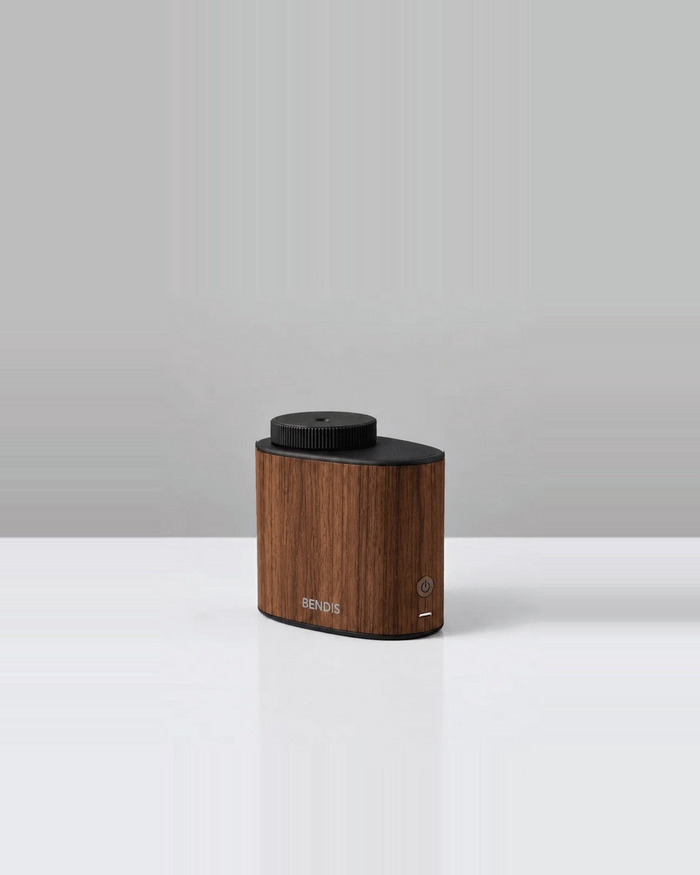
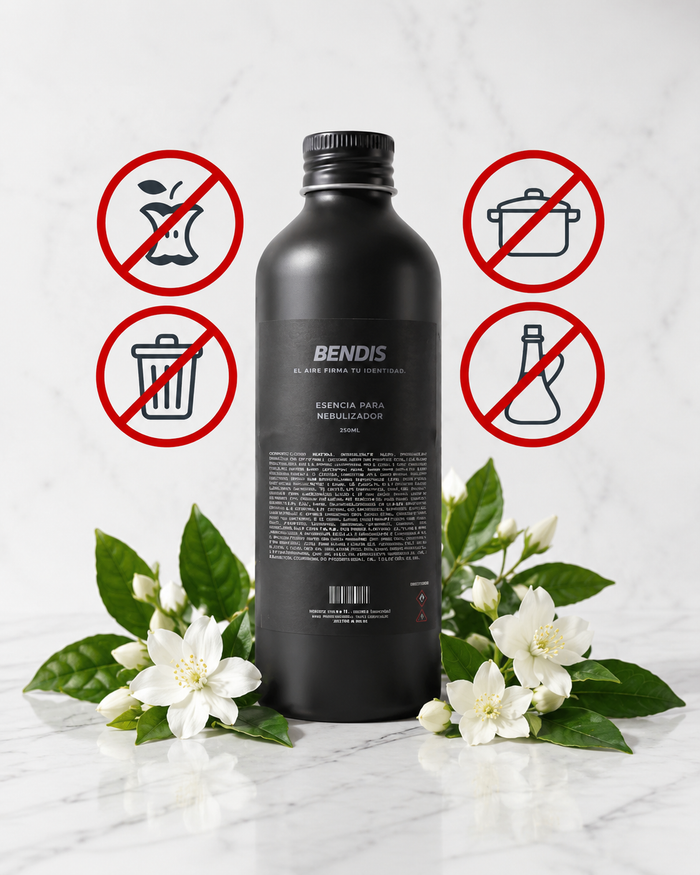
At BENDIS we have specific neutralising refills for each source (pets, damp, closed-up rooms) and a range of fragrances to scent the space once it is clean. If you do not know which one to start with, we will send you samples so you can smell them in your own home.
Diffuser catalogue · How neutralisation works · info@bendis.es