Customers do not expect the same thing in January as they do in July. Adapting your fragrance to the season is one of the simplest and most visible decisions a business can make, and it calls for no change of equipment or supplier.
Why rotate the scent
Keeping the same fragrance all year round is no bad thing: it gives coherence and helps customers associate that smell with the brand. But rotating a seasonal layer adds three things:
- A sense of the moment. The space feels cared for and up to date.
- Coherence with the season. A dense fragrance in August feels hot; a citrus one in December, cold.
- Novelty for the regular customer. Someone who came in autumn finds something different in spring.
Spring
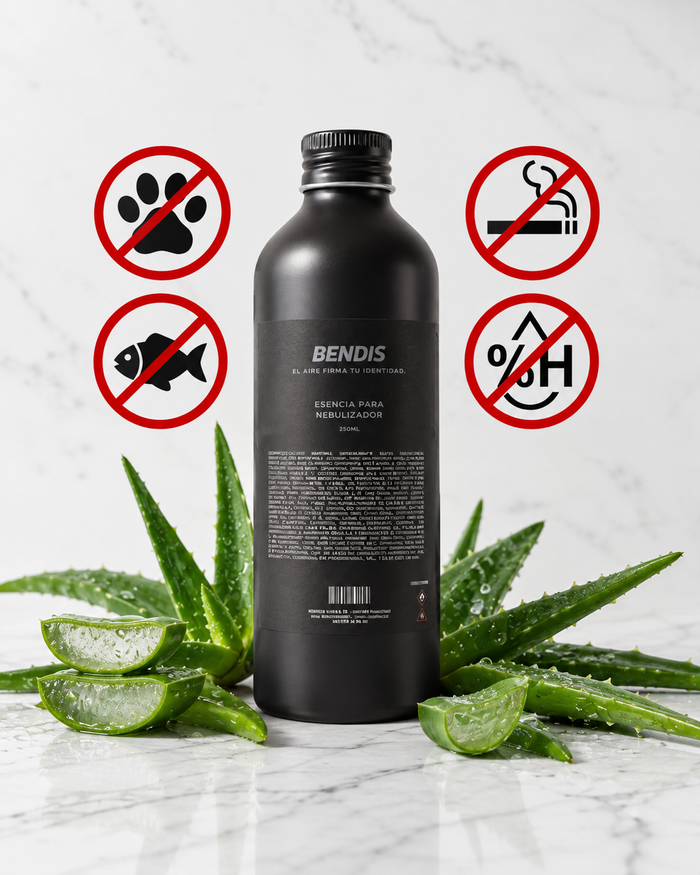
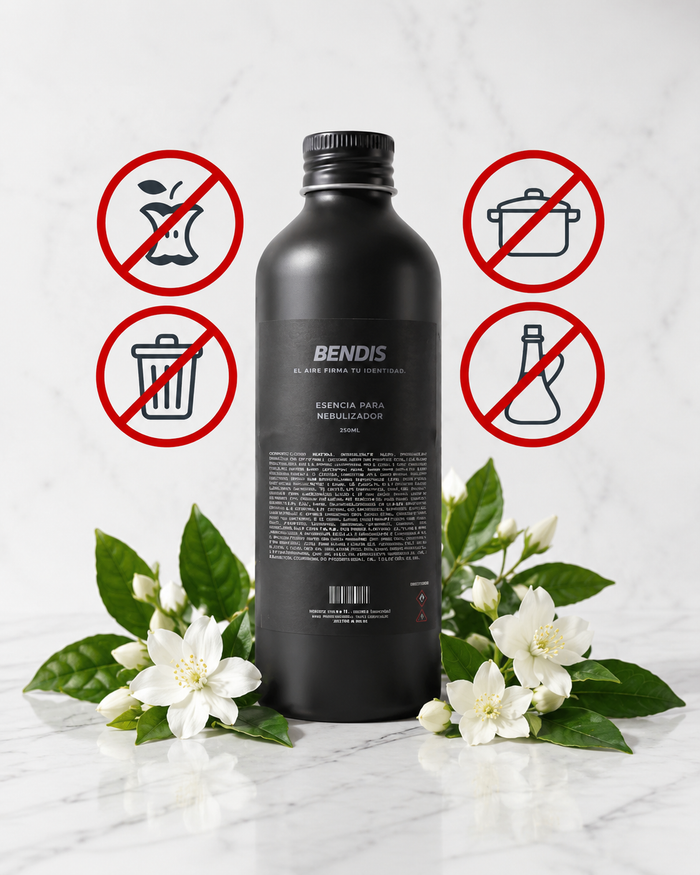
Light, floral and green. From our catalogue, Orange Blossom, Jasmine and Green Tea work well. They suit boutique hotels, fashion, clinics and wellness spaces. Avoid very sweet registers: they contradict the sense of lightness.
Summer
Freshness and light. Lemon and Mint for a feeling of clean; Nº3 (aquatic and citrus) for interiors without direct ventilation, where it offsets the stale air; Coconut and Mango for informal and leisure spaces. In air-conditioned interiors, a marine register reinforces the sense of coolness.
Autumn
Scents grow deeper. Fig as a green fruity note with a woody base, and from the numbered range Nº4 (woody and spiced) or Nº10. They work in restaurants, cocktail bars, bookshops and home stores, where the warm register goes with the feeling of shelter.
Winter
The most recognisable moment of the year. Cinnamon & Orange is the obvious festive choice; Cappuccino for coffee shops and gourmand spaces; and if the business is premium and prefers to avoid sweetness, Nº12 or Nº23, oriental and woody in register.
How to change without breaking your identity
Changing everything at once confuses the regular customer. The orderly way to do it:
- Define an anchor scent. It is the signature of the brand and it does not change. It is usually a woody or neutral register, which sits well with everything.
- Add a seasonal layer. A second unit, in another zone, with the fragrance of the season.
- Make the transition with time to spare. Changing the seasonal layer a couple of weeks before the season turns avoids an abrupt jump.
If the premises have only one unit, the alternative is to rotate the fragrance itself at the monthly refill and accept that identity is built by other elements.
A sample calendar for hospitality
- March to May: woody anchor + green floral layer (Orange Blossom or Green Tea).
- June to August: woody anchor + citrus or aquatic layer (Lemon or Nº3).
- September to November: woody anchor + warm fruity layer (Fig).
- December to February: woody anchor + festive layer (Cinnamon & Orange).
Frequently asked questions
Does the unit have to change when the scent changes?
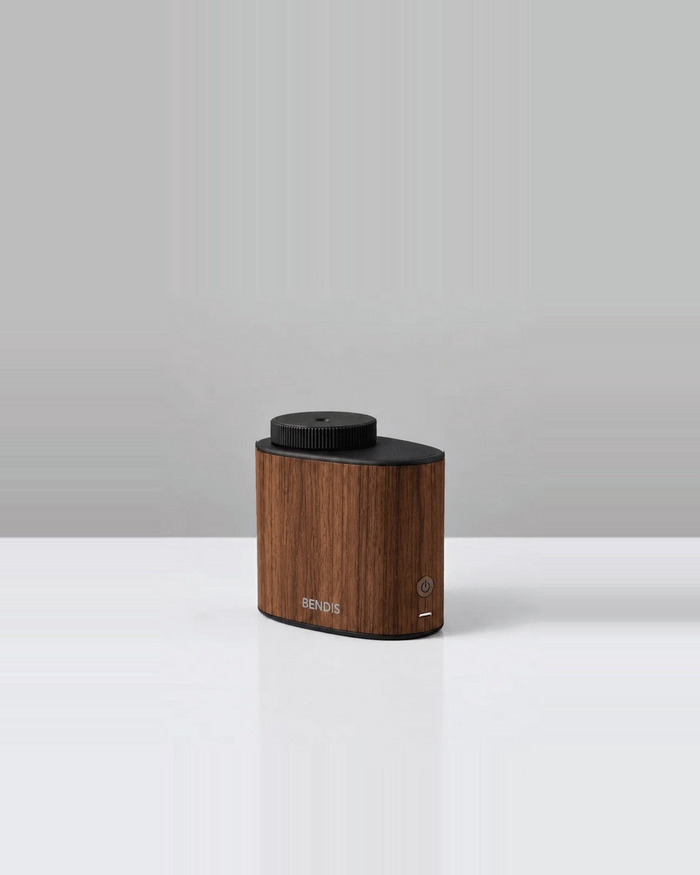
No. The unit is the same; only the refill changes.
Does rotating several fragrances a year cost more?
The monthly scenting plan is 29.90 €/month + VAT per unit with the refills included and no lock-in. Changing fragrance at the monthly replacement does not alter that fee.
Can you create a bespoke fragrance?
Yes, we develop bespoke odotypes (scent logos) for B2B projects. It is a separate development and is quoted specifically according to scope.
Which fragrances are available?
The full range (naturals and numbered) is in the catalogue, along with the three neutralisers for critical areas.
Would you like to build your own scent calendar? Write to us from contact or call us on 911 09 70 50, Monday to Saturday from 10:00 to 20:00.