Smell is the sense most directly wired to emotional memory. In retail that translates into a concrete lever: customers who stay longer, remember the brand better and rate the product more highly.
Why scent is a key tool in retail
A shop with a carefully chosen scent achieves three things that sensory marketing research points to consistently:
- It lengthens dwell time. The customer feels comfortable and stays longer, and more time inside means more product seen.
- It improves perceived quality. The same item is rated more highly in a space that smells good.
- It reinforces brand memory. Smell is the sense with the greatest long-term power of recall.
Which scent for which sector
Premium womenswear
Florals over a musk or amber base (rose, peony, jasmine). They convey elegance. Avoid very sweet or gourmand notes: they saturate quickly.
Menswear
Woody notes (cedar, sandalwood, leather) with citrus touches. More restrained and structured. Perfect for tailoring and formalwear.
Cosmetics and beauty
Clean and fresh: lavender, green tea, orange blossom. They reinforce the sense of hygiene. Take care not to choose a scent that clashes with the products on display.
Home and interiors
Enveloping and warm: vanilla, wood, soft spices. They help the customer picture the product in their own home. They work especially well in autumn and winter.
Jewellery and watches
Mineral or deep woody notes, and always at minimum intensity. In jewellery, too much scent communicates the opposite of luxury.
Patisserie, bakery and coffee
Here the aroma of the product itself already does the work: do not scent the shop floor, so that nothing clashes with it. What does make sense is neutralising the stockroom, the waste area and the toilets.
How scent is distributed in a shop
The golden rule: the scent must be perceptible but not invasive. If the customer notices it explicitly, it is too strong. If they have to make an effort to detect it, too low.
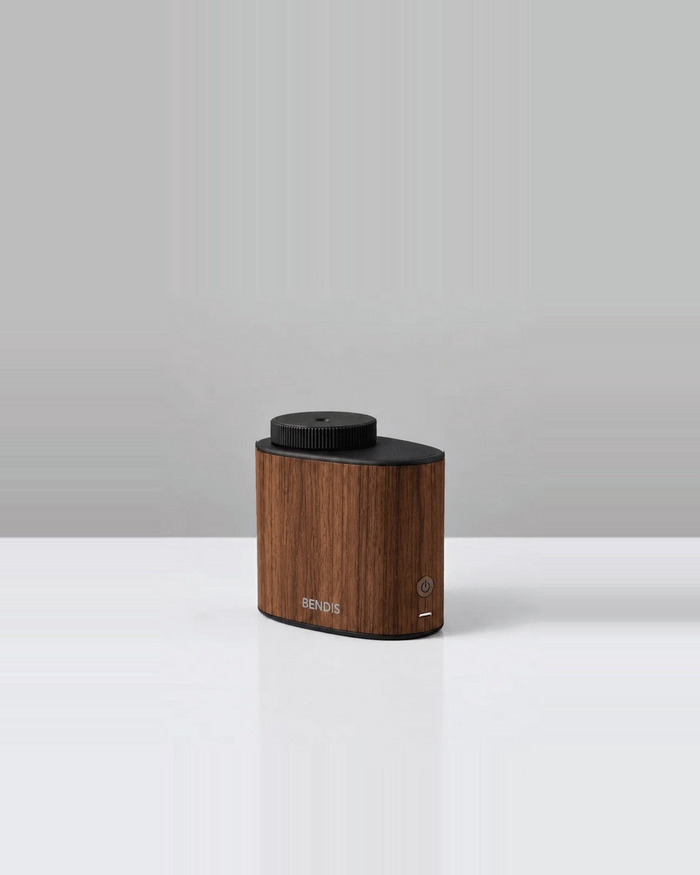
To strike that balance, units with intensity control by time slot are used. In small shops one well-placed unit is usually enough; in medium-sized shops two or three are spread across zones; in large-format stores they are integrated into the air-conditioning system and the scent is distributed through the ducts.
Sizing is calculated by volume (square metres by ceiling height) and corrected for the ventilation of the premises and the flow of people. The catalogue gives the coverage of each model.
Before you start scenting
If there is a source of bad odour (stuffy fitting rooms, the stockroom, a toilet) fragrance will not mask it: it mixes with it and makes things worse. Neutralise first, then scent. How neutralisation works.
Typical mistakes
- Changing scent every few months. It breaks the smell-brand association. Keep the same one for at least a year.
- Using domestic supermarket air fresheners. They evaporate quickly and feel cheap.
- Hiding the unit in a corner. The scent concentrates there and never reaches the rest of the space.
- Starting at maximum intensity. Better to start low and go up to the right point.
- Trusting your own nose. Olfactory adaptation means you stop smelling your own shop. Ask someone walking in fresh, and ask them as they walk in.
How much it costs
On a monthly scenting plan, from 29.90€/month + VAT per unit, with fragrance included and replaced monthly. No lock-in and no upfront investment. The unit arrives configured for your square metres and goes up in five minutes: no building work, no installation and no engineer visit. You can also buy the unit and the refills separately.
If you have several points of sale, the same scent repeated in all of them turns smell into a recognisable brand asset.
Frequently asked questions
Can I change scent every season?
You can, but the recommendation is to keep the main scent all year and reserve occasional variations (Christmas, Valentine's Day) to create moments without losing identity.
What about customers who are sensitive to perfume?
We always work at low intensity, which is what most reduces the risk of discomfort, and areas can be left unscented.
How long does it take to show?
The effect is cumulative, not immediate: the customer does not consciously notice the change on the first visit. Compare before and after with what you already track (average basket, mentions of the atmosphere in reviews, repeat visits) and allow at least 90 days.
Shall we talk?
We send samples so you can choose your scent by smelling it in your own shop. Monday to Saturday, 10:00 to 20:00.
Call 911 09 70 50 or write to info@bendis.es.
Service for businesses · By sector and city · Diffuser catalogue