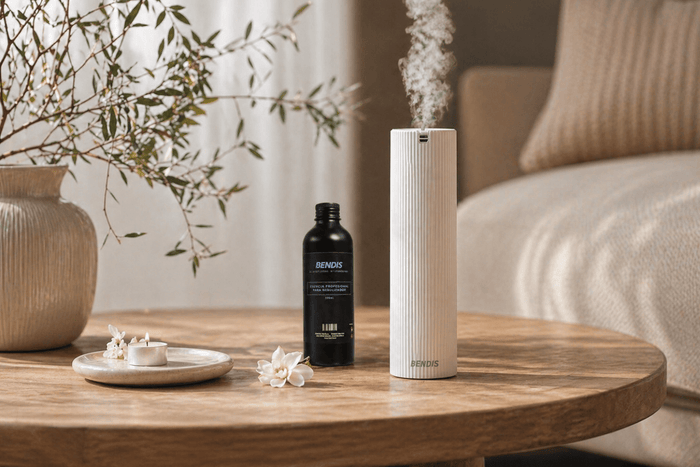
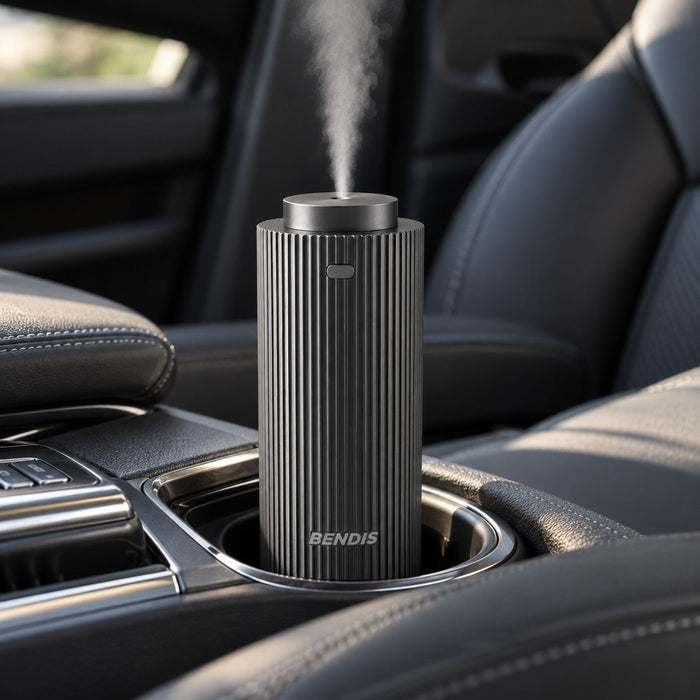
Christmas is the only time of year when almost every business considers changing its scent. It makes commercial sense, but it is best done without undoing the scent identity work of the rest of the year.
A nuance, not a replacement
If you have a defined brand profile, Christmas should not wipe it out. What works is adding the season in the high-impact areas (window, entrance, gift area) and keeping your usual profile in the rest of the premises.
That way customers still recognise you and, at the same time, sense that something special is going on.
Which profiles work
- Warm spices: cinnamon, clove, spiced orange. They are the most recognisable as "Christmassy".
- Rich woods: sandalwood, cedar, pine. They work very well for brands that do not want to be obvious.
- Gourmand: vanilla, caramel, cappuccino. They suit cafés, patisseries and children's retail.
- Warm citrus: orange and mandarin, lighter, for places where heavy scents do not fit.
In a small closed space, be careful with intense spices: they linger and saturate sooner than you think.
When to switch it on
The scent campaign follows the commercial one, not the other way round. The usual approach is to start once the decorations are up, not before: a shop with no decorations that smells of cinnamon feels odd.
And most importantly, when to switch it off: as soon as the decorations come down. A shop that still smells of Christmas on 15 January sends the opposite message to the one intended.
Adjusting intensity
Christmas profiles tend to be stronger than everyday ones, so when you change product it is wise to turn the unit down a step and readjust from there. If you keep the same level, the space goes from subtle to overpowering overnight.
Changing product without problems
When switching from one profile to another, clean the circuit with isopropyl alcohol so traces do not mix. It is explained in the manuals and video tutorials.
You can see the available profiles in the fragrance catalogue and try several with 5 ml samples before deciding.